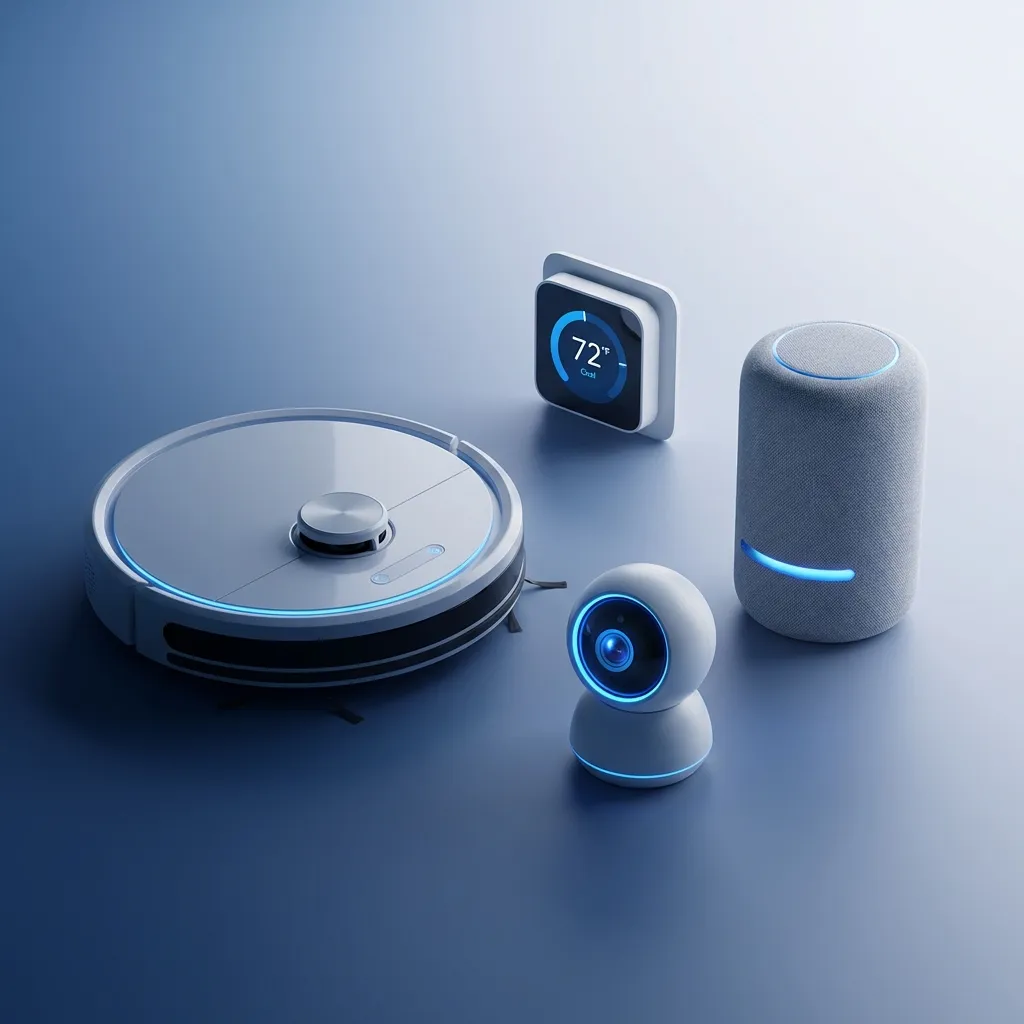
After-sales service for smart hardware differs essentially from traditional consumer goods. The technical complexity, user expectations, and the professional threshold for troubleshooting all demand more from the CS team. Here we share core experiences from serving dozens of smart hardware brands.
1. Core Challenges in Smart Hardware Support
1. Technical Complexity
Robot vacuums involve laser navigation, path planning, and sensors. Security cameras involve network config, storage, and video encoding. Smart home devices need to link with various ecosystems (Alexa/Google Home). Agents must understand not just the product, but the technology.
2. High User Expectations
Users buying smart products usually have some tech knowledge. They expect professional, precise solutions, not "please try rebooting."
3. Diverse Issues
From App connection failures and firmware upgrade errors to hardware diagnostics and returns, the range of issues is vast.
2. Building a Professional Tier-2 Support Team
🎯 What is Tier-2 Support?
Tier-1 handles basic inquiries. Tier-2 is the expert layer for complex technical issues, requiring deep product knowledge. Ningji specializes in providing Tier-2 level technical support.
Key points for an efficient Tier-2 team:
- Tech Background Recruiting: Prioritize candidates with Electronics/IT/Engineering backgrounds.
- Deep Training: Understand the "why," not just the "how."
- R&D Channel: Direct line to engineering for bugs.
- Continuous Learning: Products update fast; training must keep up.
3. Efficient Knowledge Base System
A good KB is the foundation of efficiency. We suggest:
- Structured Classification: By product line, issue type, severity.
- Visuals: Screenshots and videos for complex steps.
- Regular Updates: Add new solutions immediately.
- Smart Search: AI-assisted retrieval.
4. Optimizing Resolution Flow
Standardized Diagnostics
For common issues, set standard steps. Example: Robot vacuum not working:
- Check battery and charging status.
- Check for error codes.
- Check App connection.
- Check brushes and filters.
- Try a factory reset.
- If unresolved, arrange return/exchange.
Remote Diagnostics
Use video calls or screen sharing to see what the user sees, speeding up diagnosis.
5. Managing Customer Emotions
"Tech issues can be solved, but emotions need to be heard. A great agent is first a great listener."
Users with broken devices are often frustrated. Agents need to:
- Empathize first, then solve.
- Be patient, avoid tech jargon.
- Follow up actively.
- Escalate if needed.
6. Data-Driven Improvement
Analyze these metrics to optimize:
- First Contact Resolution (FCR): Aim for >70%.
- Average Handle Time (AHT): Efficiency without sacrificing quality.
- CSAT: Keep above 90%.
- Issue Distribution: Find product bugs.
7. Conclusion
Improving smart hardware satisfaction requires continuous investment in people, processes, and tools. Ningji has deep experience here. If you are looking for a professional partner, let's talk.